Customer Journey Analysis & Optimization: Know Which Touchpoints Convert, Expand, or Lose Customers

AI Journey-Scoring on Your Actual Interaction Data

Customer journeys are rarely linear, and most journey maps gloss over the real-world messiness. We work side-by-side with your marketing, sales, and customer success teams to co-create a journey-scoring engine built on your actual data, CRM events, web sessions, support contacts, quotes, transactions, and renewal signals. For mid-market companies ($100M–$2B), this model pinpoints which touchpoints drive purchase, expansion, or churn, and translates those signals into actionable next steps. Your team uses these insights to allocate marketing spend, prioritize sales outreach, and design retention plays that actually move the needle. The solution runs inside your stack, your team owns it, and you can typically stand it up in 90–120 days.

What it is

Your journey map should reflect what customers actually do, not what the workshop guessed. Revology co-designs and builds AI journey models that score touchpoints and surface next-best actions.

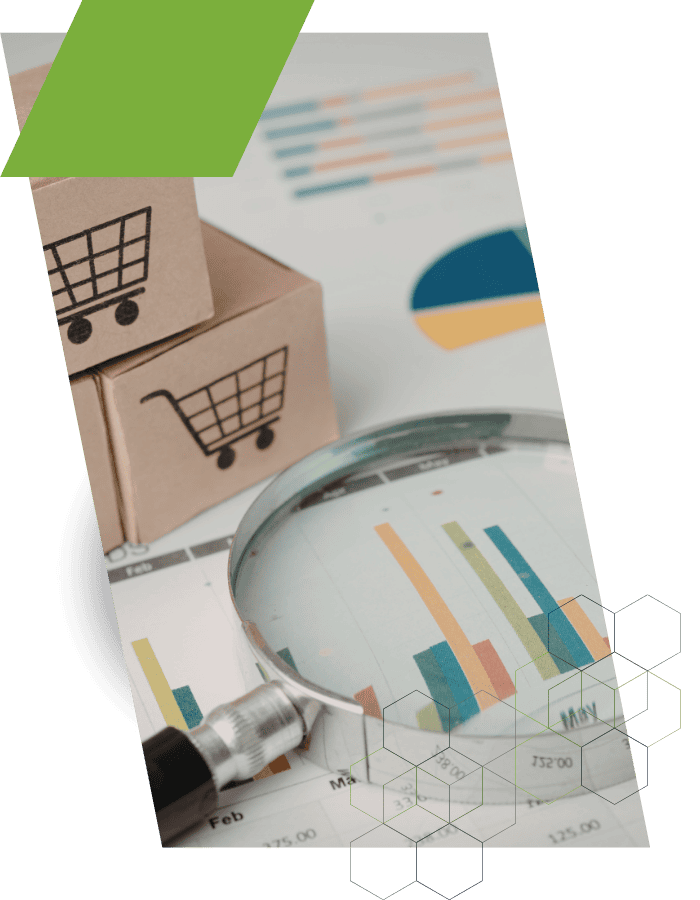
Customer journey analysis with data visualization tools and charts.

How It Benefits Clients

Targeted Retention

Identify which customers are most likely to churn and deploy timely interventions to win them back. For example, you might proactively send a special offer or a personal outreach to high-value customers who exhibit telltale signs of disengagement. This data-driven focus helps you reduce churn rates significantly by addressing issues before customers leave.

Deeper Engagement

Understand the common paths that lead to conversion (e.g. a journey where a customer interacts with an email, then visits the website, then makes a purchase in-store). By uncovering which journey patterns produce the best outcomes, you can replicate and amplify those success paths. This leads to better-designed marketing funnels and a smoother customer experience overall.

Optimized Marketing Spend

With journey analytics, you learn which stage of the funnel has the biggest drop-offs or opportunities, allowing you to allocate marketing resources more effectively. Instead of overspending at the awareness stage if conversion is the issue (or vice versa), you can direct budget to the touchpoints that yield the highest incremental ROI.

Cross-Sell and Up-Sell Effectiveness

By analyzing behavior and purchase history, machine learning models suggest the "next best product" or service for each customer. This lifts average order value and customer lifetime value because the recommendation reaches the customer at the right moment. Mid-market clients with 24+ months of transaction history typically see a 15–30% cross-sell lift over rule-based targeting once the recommendation engine is live.

Our Approach

Journey analytics is a team sport. We co-create every solution with your marketing, sales, customer success, and data teams to ensure the model reflects how your customers actually buy. Here’s our four-step approach:

1
Journey Mapping Workshop

We start by getting the right people in the room, Marketing, Sales, Customer Success, and Analytics. Together, we map out your customer lifecycle and pinpoint the moments that matter most. This is a true co-creation process: we identify the data sources you already have (CRM fields, website events, call center logs, transactions) and agree on what success looks like at every stage. Think lead conversion, onboarding completion, repeat purchase rate. We baseline your funnel using cohort and RFM analysis, so you have a clear, measurable starting point. The goal: set your model up to deliver real, trackable wins.

2
Data Integration

Next, we connect and unify data across systems into a single view of the customer journey. This usually means integrating CRM data (Salesforce, HubSpot, Dynamics), marketing automation and email campaign data, web analytics (site clickstream), and any offline data such as in-store visits or call center records. We build the pipelines inside your data warehouse, with identity resolution and quality checks, so an individual's progression through touchpoints can be tracked over time and trusted.

3
Predictive & Prescriptive Modeling

Once your customer journey data is unified, we build machine learning models that actually move the needle, predicting churn, conversion, or expansion at every stage. For example, you'll know which free-trial users are most likely to become paying customers, and which existing accounts are ready for an up-sell. We don't stop at prediction: we add a prescriptive layer, so you know which incentive or message will actually change behavior, and which customers would have converted anyway. All of this is embedded directly into your CRM or customer data platform, so your front-line teams get actionable guidance right where they work.

4
Results Operationalization

We don't just hand you a model and walk away. We make sure your teams can actually use the insights, whether that's a dashboard for marketers, alerts for account managers, or automated campaign triggers with built-in approval gates. We set up holdout groups so you can measure the true, incremental impact of every action. Your team gets hands-on training to interpret and act on the findings, and everything is built inside your environment with full code and documentation. You own it. If you prefer, we can keep things running for you with a managed-services agreement, but the choice is always yours.

Recent Insights

Webinar banner for revenue growth management initiatives by Revology Analytics.

Why Most Revenue Growth Management Initiatives Never Get Started And How to Make Yours Happen

This session is about getting yours started. In 60 minutes, we’ll show you how to frame the business case, estimate what a pricing or AI initiative actually costs, win executive sign-off, and set it up to succeed, including the change management and the KPIs most teams skip. It’s built for companies that already have pricing or AI teams as well as companies that don’t.

Read More »
No more posts to show

Frequently Asked Questions

What is AI-powered customer journey analysis?

A machine-learning model that ingests interaction data across CRM, web, support, and transaction systems, then identifies which sequences of touchpoints actually drive conversion or churn. Revology co-designs and builds these models inside the client's data stack.

How is this different from a standard journey-mapping workshop?

A workshop produces a hypothesis. The AI model produces a continuously updated, evidence-based scoring of journey paths, built inside your stack and owned by your team.

What outputs does the journey model produce?

Scored touchpoint sequences, predicted next-best-action for each customer segment, and a dashboard the commercial team uses to allocate engagement effort.