Have a Revenue Growth Analytics pain point, a question, or a content suggestion?
- The Hurt Hub@Davidson
- 210 Delburg St, Davidson, NC 28036, United States
- +1 803-701-9243
- Who We AreWho We Are
Discover how Revology Analytics propels mid-market businesses to sustainable, profitable growth by building advanced, in-house Revenue Growth Analytics & Management (RGM) capabilities, fast.
Our senior expert-led, hands-on approach ensures you own the tools, insights, strategy and processes needed to thrive long-term.
We would love to hear from you.
Let’s chat!Menu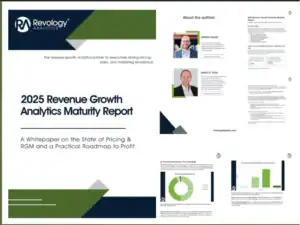 Revenue Growth Analytics Maturity Report
Gain exclusive access to the latest insights from over 150 commercial leaders on the state of Revenue Growth Analytics in 2025, based on our expanded Revenue Growth Analytics Maturity Scorecard™.
- What We DoWhat We Do
One practice: end-to-end Pricing & Revenue Growth Management. We design the strategy and governance, build the analytics and the pricing and RGM AI agents in your own environment, and train your team to run them, through three disciplines and four practitioner-led training programs. Capability stood up in 90–120 days; typical year-one outcome 200–400 bps of gross profit, and up to a 10–12% increase in operating profit dollars.
We would love to hear from you.
Let’s chat!EngagementsMenuCapabilitiesMenu - IndustriesOur Industries
Discover how Revology Analytics propels mid-market businesses to sustainable, profitable growth by building advanced, in-house Revenue Growth Analytics & Management (RGM) capabilities, fast.
Our senior expert-led, hands-on approach ensures you own the tools, insights, strategy and processes needed to thrive long-term.
We would love to hear from you.
Let’s chat!Menu - Insights & ResourcesInsights and Resources
Explore Revology Analytics’ curated thought leadership on various Revenue Growth Analytics and Management topics.
Our case studies, white papers, webinars, and toolkits illuminate best practices and emerging trends. Gain actionable insights to refine your holistic Revenue Growth Management strategies and capabilities, fueling sustainable, profit-focused decisions across your organization.
We would love to hear from you.
Let’s chat!Insights and ContentsMenuTools & GuidesMenu - Events
- Contact Us
- Who We AreWho We Are
Discover how Revology Analytics propels mid-market businesses to sustainable, profitable growth by building advanced, in-house Revenue Growth Analytics & Management (RGM) capabilities, fast.
Our senior expert-led, hands-on approach ensures you own the tools, insights, strategy and processes needed to thrive long-term.
We would love to hear from you.
Let’s chat!Menu Revenue Growth Analytics Maturity ReportGain exclusive access to the latest insights from over 150 commercial leaders on the state of Revenue Growth Analytics in 2025, based on our expanded Revenue Growth Analytics Maturity Scorecard™.
- What We DoWhat We Do
One practice: end-to-end Pricing & Revenue Growth Management. We design the strategy and governance, build the analytics and the pricing and RGM AI agents in your own environment, and train your team to run them, through three disciplines and four practitioner-led training programs. Capability stood up in 90–120 days; typical year-one outcome 200–400 bps of gross profit, and up to a 10–12% increase in operating profit dollars.
We would love to hear from you.
Let’s chat!EngagementsMenuCapabilitiesMenu - IndustriesOur Industries
Discover how Revology Analytics propels mid-market businesses to sustainable, profitable growth by building advanced, in-house Revenue Growth Analytics & Management (RGM) capabilities, fast.
Our senior expert-led, hands-on approach ensures you own the tools, insights, strategy and processes needed to thrive long-term.
We would love to hear from you.
Let’s chat!Menu - Insights & ResourcesInsights and Resources
Explore Revology Analytics’ curated thought leadership on various Revenue Growth Analytics and Management topics.
Our case studies, white papers, webinars, and toolkits illuminate best practices and emerging trends. Gain actionable insights to refine your holistic Revenue Growth Management strategies and capabilities, fueling sustainable, profit-focused decisions across your organization.
We would love to hear from you.
Let’s chat!Insights and ContentsMenuTools & GuidesMenu - Events
- Contact Us