
Many organizations, particularly those in the mid-market sector, are missing critical opportunities to drive profitable growth due to substantial gaps in their Revenue Growth Management (RGM) capabilities.
Table of Contents
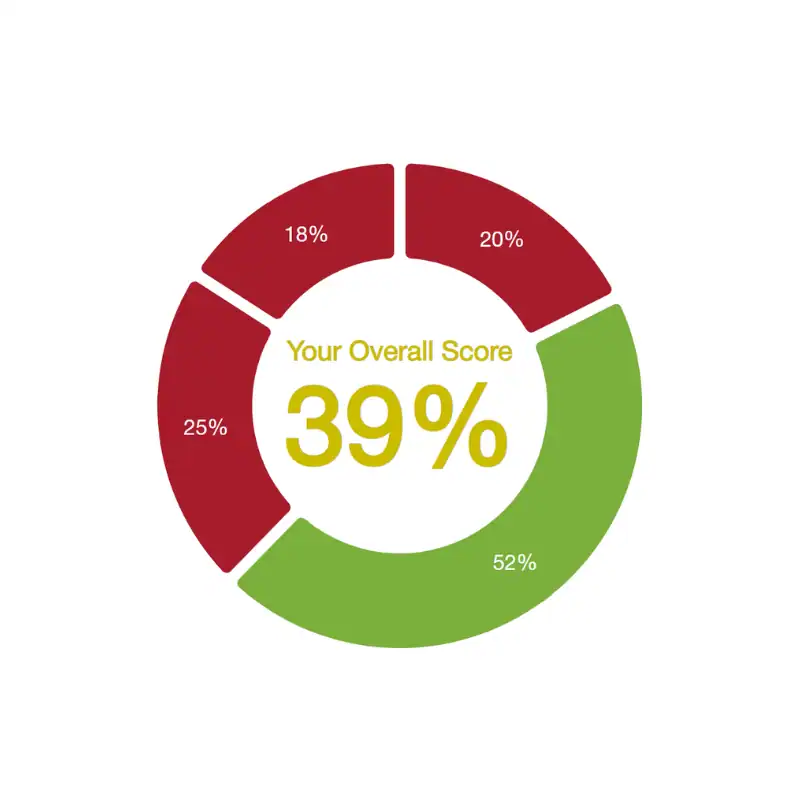
Our Revenue Growth Analytics Maturity Scorecard revealed significant deficiencies in critical areas such as tracking net price realization, understanding promotional effectiveness, quantifying marketing impact, and optimizing budgets. These challenges, alongside insufficient customer analytics capabilities such as churn prediction or cross-sell optimization, create roadblocks to maximizing growth potential. With over 50% of companies operating at low to medium maturity levels in their overall RGM capabilities, it becomes evident that these gaps undermine strategic pricing efforts and hinder adequate returns on promotional and marketing investments.
Building RGM capabilities has become a strategic imperative for organizations aiming to maximize profitability and sustain market advantage. As companies invest in developing pricing expertise, revenue growth management extends this focus to optimize all growth levers, pricing, promotion, customer engagement, and sales operations, to drive cohesive and profitable growth.

Why RGM Capability Building?
Strong RGM capabilities enable organizations to optimize pricing, promotional investments, and channel strategies, boosting top-line and operating profit growth. By adopting RGM practices, companies align pricing with market dynamics, enhance promotional effectiveness, and empower Sales and Marketing teams to serve customers more effectively.
RGM capabilities also facilitate the integration of various business functions, leading to better coordination across pricing, marketing, and sales efforts. Competition has intensified over the years across most industries with increased customer choices and changing behaviors. Investing in advanced RGM acumen allows organizations to capitalize on opportunities while mitigating some of these risks. A well-developed revenue growth strategy directly influences profitability: research indicates that a 1% increase in price can lead to approximately a 9% increase in operating profits on average, making pricing the most impactful lever any organization can pull to influence EBITDA.

Competitive Advantage Through RGM Expertise
Developing advanced Revenue Growth Management (RGM) capabilities and expertise offers a competitive advantage, especially since over 50% of companies struggle to optimize their competencies in this space.
Companies with mature RGM capabilities can make more informed, insights-driven decisions around Pricing & Promotional strategies and various customer-facing commercial tactics.
Specifically, they are better equipped to:
- Adjust prices dynamically in response to market conditions.
- Optimize pricing scenarios by considering demand, competition, and costs.
- Quickly respond to competitor pricing actions, maintaining competitiveness.
- Leverage value-based pricing to enhance the profitability of commoditized items, strengthening customer relationships and comprehensively understanding costs.
- Anticipate customer needs through data-driven insights, enabling proactive strategies that address potential churn and drive greater customer satisfaction.
- Manage churn effectively while driving cross-sell and upsell opportunities, enhancing customer lifetime value (CLV).
- Capitalize on AI and machine learning tools to improve sales efforts, increase conversion rates, and optimize customer engagement.
- Apply personalized promotional and marketing strategies, tailoring campaigns to specific segments to boost marketing return on investment (ROI) and overall revenue growth.

Building Effective RGM Training Programs
Developing an advanced RGM capability requires well-structured training that addresses the distinct needs of different organizational roles. We recommend tailoring training programs for two primary audiences: Pricing and RGM professionals and Commercial (Sales and Marketing) professionals.
Training for Pricing and RGM Professionals
Training for Pricing and RGM professionals should emphasize deep technical skills in analytics to enhance pricing strategy and revenue management capabilities:
- Price Elasticity Modeling: Using foundational to advanced machine learning techniques such as Random Forest or Double Machine Learning (DML) to estimate elasticities effectively, providing insights into pricing adjustments.
- Price-Value Mapping: Implementing conjoint analysis to quantify perceived value versus competitors, enabling data-driven pricing adjustments that drive profitability.
- Competitive Pricing Intelligence: Developing capabilities to model competitor behavior and proactively adjust pricing strategies to maintain competitive advantage.
- Hands-On Analytics Training: Providing practical experience with tools like R and Python, enabling professionals to develop predictive models and analyze real-world scenarios such as optimizing pricing, revenue growth strategies, and promotion effectiveness.
- Marketing Mix Modeling and Scenario Analysis: Training on effectively conducting marketing mix modeling to quantify the impact of different marketing channels and optimize marketing budgets. Scenario analysis using machine learning outputs to understand different outcomes and refine strategies accordingly.
- Advanced Customer Analytics Training: Training in advanced customer analytics techniques, such as churn modeling, cross-sell modeling, and lookalike modeling, to help anticipate customer behavior and maximize customer lifetime value (CLV). This also includes leveraging marketing mix analysis to refine targeting and optimize channel spending.
Training for Commercial (Sales and Marketing) Professionals
For Commercial professionals, the focus should be on leveraging analytics insights to drive business outcomes and on strategic applications of pricing, sales, and marketing initiatives:
- Insight Application and Strategic Implications: Training should focus on understanding how to apply insights derived from pricing and customer analytics into daily operations. This includes interpreting data to inform sales decisions, enhancing marketing efforts, and improving customer segmentation.
- Stronger Discount and Sales Management: Equip commercial teams with the knowledge to leverage analytics and insights from customer segmentation to strategically and surgically manage discounts. This means identifying customers who need and deserve discounts, those who will help accelerate growth, and ensuring discounts are used to enhance customer loyalty and drive profitable growth. Additionally, focus on managing sales more effectively to achieve greater profitability, ensuring that discounting efforts align with broader revenue management strategies.
- Customer Segmentation and Personalization: Teach sales and marketing professionals how to apply customer segmentation to personalize interactions, align promotional strategies with target segments, and drive incremental revenue and CLV. For example, a distributor might use segmentation to identify high-growth potential customers who are more price-sensitive and target them with specific discount strategies designed to boost loyalty and drive higher order/shipment frequency. On the other hand, a consumer products company might use segmentation to focus promotional offers on loyal customers with a high likelihood of repeat purchases, ensuring that discounts are used surgically to foster long-term loyalty and growth. This targeted approach ensures that discounts are provided where they will have the most significant impact, ultimately leading to more sustainable and profitable growth.
- Sales and Marketing Productivity: Focus on leveraging AI, machine learning, and analytics insights to enhance sales and marketing effectiveness. This includes:
- Lead Targeting and Conversion: Using AI-driven lead scoring and predictive analytics to identify the most promising prospects, allowing sales teams to focus their efforts where they are most likely to convert leads into customers.
- Proactive Customer Engagement: Leveraging machine learning models to predict customer churn well in advance and providing sales teams with actionable insights to engage at-risk customers proactively. For instance, AI can flag customers who reduce order frequency or express dissatisfaction, enabling timely intervention.
- Customer Segmentation for Personalized Strategies: Utilizing advanced customer segmentation to tailor marketing and sales efforts, ensuring that promotional offers, pricing strategies, and outreach are customized to maximize customer satisfaction and lifetime value.
- Reducing Customer Churn and Enhancing Upsell Opportunities: Using predictive analytics to reduce customer churn by identifying behavior patterns that signal disengagement and equipping sales teams with the right offers to retain those customers. Similarly, leveraging data and machine learning to identify cross-sell and upsell opportunities that align with customer needs increases the share of wallet. For example, a consumer products company can use predictive analytics to identify customers likely to churn based on declining purchase frequency and engage them with personalized offers. A distributor might use machine learning to assess customer segments with a high potential for upselling, enabling the sales team to focus on these segments with tailored recommendations that drive profitability. This focused approach ensures that resources are used effectively, driving growth and maximizing ROI.
- Promotion Effectiveness and Optimization: Training on evaluating and optimizing promotional activities, ensuring that marketing investments yield the highest possible returns. For example, training the salesforce on leveraging insights from promotion effectiveness analytics in a consumer products company can empower them to have more impactful conversations with retail buyers. By understanding which promotions have delivered the best returns, sales teams can work with retailers to rationalize underperforming promotions and focus investments on activities that drive greater sales and profitability for both the company and the retailer. This approach positions the salesforce as true category leaders and helps craft promotional strategies that align with revenue growth management goals. Use tools like Power BI or Tableau to visualize promotional impacts, enabling data-driven decision-making and stronger alignment between promotional activities and sales outcomes.

Target Audience for RGM Training Programs
Developing robust Revenue Growth Management (RGM) capabilities is essential for organizations seeking a competitive edge. The success of an RGM strategy hinges on the coordinated efforts of multiple teams, including pricing and revenue management, finance, analytics, sales, and marketing. A cross-functional training approach ensures all stakeholders have the knowledge and skills to contribute effectively to the organization’s revenue growth goals.
Key teams and their training focus areas include:
- Pricing and Revenue Management Teams: Should receive comprehensive training in advanced pricing techniques, elasticity modeling, competitive intelligence, pricing analytics, promotion optimization, and marketing mix modeling. Their focus is on understanding the impact of pricing and promotional changes on revenue and margins, using data-driven models to make effective decisions.
- Finance Teams: Play a crucial role in assessing the impact of RGM decisions on profitability and overall financial health. Training should concentrate on understanding pricing impacts on operating profits, evaluating promotional ROI, calculating breakeven scenarios, and aligning pricing strategies with economic goals.
- Analytics Teams: Integral to building the infrastructure required to support RGM. They should be trained in advanced machine learning techniques, data visualization, predictive modeling, and hands-on experience with tools like Python and R. This enables them to provide deep insights into pricing, promotions, and customer behavior.
- Sales and Marketing Teams: Training should focus on understanding customer segments, leveraging customer analytics to maximize sales efficiency and lifetime value, and aligning promotional efforts with pricing strategies. They should learn to capitalize on AI and machine learning tools to enhance productivity, drive greater lead conversion through proactive management, and improve cross-selling and upselling opportunities. Additionally, understanding the adverse impact of discounting and price overrides, as well as concepts related to value-based pricing and selling, is crucial.
This comprehensive, cross-functional training approach ensures that all teams are aligned and empowered to drive revenue growth effectively, enhancing the organization’s overall performance and competitive position in the market.

Implementing an Advanced RGM Capability Program
Building an advanced RGM capability requires more than training; it involves applying learned skills directly to business operations and aligning them with strategic goals. To effectively implement an RGM program, organizations should consider the following steps:
- Assess Current Capabilities
- Diagnostic Evaluation: Begin by thoroughly assessing the organization’s existing RGM capabilities to identify strengths and weaknesses.
- Identify Gaps: Determine specific gaps in skills, tools, and processes that we need to address.
- Benchmarking: Use diagnostic tools to compare against industry best practices and prioritize areas for development.
- Design Customized Training Modules
- Tailored Programs: Develop training modules that address the unique needs of different teams, such as those in pricing, promotion, sales, or finance.
- Role-Specific Focus: For example, pricing teams might focus on elasticity modeling and value mapping, while promotional teams concentrate on campaign optimization and scenario analysis.
- Align Training with Business Objectives
- Integration with Goals: Ensure the training program is directly linked to the organization’s broader business objectives and revenue growth targets.
- KPI Tracking: Continuously measure progress using key performance indicators such as profit margins, volume growth, and marketing ROI to evaluate the effectiveness of the training.
- Apply Learning to Real-World Scenarios
- Practical Application: Incorporate hands-on sessions using company-specific data to simulate real business challenges.
- Enhanced Learning: This approach helps participants apply theoretical concepts to their business contexts, improving retention and effectiveness.
- Foster Cross-Functional Collaboration
- Integrated Teams: Encourage collaboration among pricing, marketing, sales, and finance teams to ensure alignment across revenue-driving functions.
- Group Exercises: Utilize group exercises and case studies to enhance coordination and communication between departments.
- Equip Teams with AdvancedAnalytics Tools
- Tool Proficiency: Provide training on the latest analytics platforms, such as Marketing Mix Modeling, Multi-Touch Attribution, and Dynamic Pricing tools.
- Strategic Implementation: Mastery of these technologies enables teams to implement sophisticated RGM strategies that drive growth and efficiency.

Driving Sustainable Growth Through Advanced RGM Capabilities
Building advanced Revenue Growth Management (RGM) capabilities is not just a nice to have. It’s essential for driving sustainable growth. A robust RGM framework empowers your organization to make strategic, insights-driven decisions across pricing, promotions, and customer engagement, ensuring all revenue-generating activities are aligned for maximum impact.
Investing in comprehensive and tailored training programs focusing on critical areas, pricing strategy and analytics, promotional effectiveness, customer engagement, and market analysis, lays a strong foundation for revenue growth management. This approach equips your teams with advanced analytics tools and fosters cross-functional collaboration, driving profitability and enhancing your competitive edge.
Embarking on this journey requires a strategic and customized training approach. By leveraging real-world data, applying learned skills directly to business operations, and aligning training with your strategic objectives, you transform RGM from a theoretical concept into a practical, value-generating capability.
Revology offers Revenue Growth Analytics Training Programs designed to support your organization’s growth journey. Our expert-led sessions are tailored to your needs, ensuring your teams acquire the tools and skills necessary to excel in revenue growth management. Together, we can drive impactful business outcomes and position your organization for long-term success.
Frequently asked questions about building RGM capabilities
What are revenue growth management capabilities?
Revenue growth management (RGM) capabilities are the skills, tools, and processes a company uses to optimize all of its growth levers, including pricing, promotion, customer engagement, and sales operations, so they work together for profitable growth. Strong RGM capabilities align pricing with market dynamics, improve promotional effectiveness, coordinate pricing, marketing, and sales efforts, and equip Sales and Marketing teams to serve customers more effectively.
Why should mid-market companies invest in RGM capabilities?
Many mid-market companies miss profitable growth because of RGM gaps. Over 50% of companies operate at low to medium RGM maturity, and our Revenue Growth Analytics Maturity Scorecard shows weak spots in net price realization, promotional effectiveness, marketing impact, budget optimization, and customer analytics. Pricing is the most impactful lever on EBITDA: research indicates a 1% price increase can lift operating profits by about 9% on average.
What can companies with mature RGM capabilities do better?
They make more informed pricing and promotion decisions. They adjust prices dynamically, optimize pricing scenarios using demand, competition, and costs, respond quickly to competitor moves, and use value-based pricing to make commoditized items more profitable. They also anticipate customer needs, manage churn while growing cross-sell and upsell, use AI and machine learning to lift conversion, and personalize promotions to raise marketing ROI.
What training do pricing and RGM professionals need?
They need deep technical analytics skills: price elasticity modeling with machine learning techniques such as Random Forest or Double Machine Learning, price-value mapping with conjoint analysis, and competitive pricing intelligence. Add hands-on work in R and Python, marketing mix modeling with scenario analysis, and advanced customer analytics such as churn, cross-sell, and lookalike modeling to maximize customer lifetime value.
What RGM training do sales and marketing teams need?
Commercial teams need to apply pricing and customer analytics insights in daily work. Training covers managing discounts strategically and surgically using customer segmentation, personalizing interactions by segment, and using AI and machine learning for lead scoring, early churn prediction, and cross-sell and upsell. It also covers promotion effectiveness, so consumer products salespeople can work with retailers to rationalize underperforming promotions and focus investment on what drives sales and profit for both sides.
Which teams should take part in RGM training?
RGM success depends on coordinated work across pricing and revenue management, finance, analytics, sales, and marketing, so train all of them. Finance teams learn to assess operating profit impact, promotional ROI, and breakeven scenarios; analytics teams learn machine learning, predictive modeling, and Python and R; and sales and marketing teams learn the adverse impact of discounting and price overrides and value-based selling.
How do you implement an RGM capability program?
Start with a diagnostic assessment of current capabilities, identify gaps in skills, tools, and processes, and benchmark against industry best practices. Then design role-specific training modules, tie them to business objectives and KPIs such as profit margins, volume growth, and marketing ROI, use hands-on sessions with company data, encourage cross-functional collaboration, and train teams on tools for marketing mix modeling, multi-touch attribution, and dynamic pricing.