Table of Contents
I say this as an AI/ML-first pricing practitioner. I love what AI brings to the table. But I’ve also managed Pricing and RGM organizations in a variety of industries long enough to know that technology alone does not move the needle.
A deeply flawed narrative is being pushed in the market: the idea that AI in pricing is a magic black box you simply plug in to automate decisions.
For B2B firms in industries like wholesale, distribution, and manufacturing, this can quickly become an investment sinkhole and a strategic dead end.
We’ve seen this movie before…
A decade ago, “Big Data” and “Data Science” promised to solve every problem. AI has been cast in the same role, and the script is just as flawed.
Real example: A plant-based creamer brand now updates its pricing and promotion reports in 10 to 20 minutes instead of days, using models built for its own team. Read the case study →
Why the AI-First Approach Fails
Before thinking about AI, you must confront the two beasts that kill nearly every pricing initiative: Cross-Functional Chaos and The Profitability Mirage.
One of my favorite books, Pricing and Profitability Management, aptly states, “Pricing touches everything, and everything touches pricing.”
This is the root of the chaos.
Your sales team is often incentivized on volume (or at least heavily tilted toward volume), finance is measured on profit (ideally Net Income, but usually EBITDA, and unfortunately quite often Adjusted EBITDA), marketing is focused on campaign results or brand-related metrics, and operations is trying to manage capacity and utilization. These functions operate with different agendas, interpretations of the data, and definitions of success. An AI tool cannot resolve these political and organizational misalignments.
This leads to the Profitability Mirage.
Most companies are flying blind, managing the invoice price while rebates, freight costs, payment terms, and special allowances bleed their margins dry. They lack a clear view of the price waterfall: the cascade of deductions from the list price to the actual pocket price. An AI-fed invoice-level data is an AI optimizing a lie. It will make bad decisions with speed and scale while giving you the illusion of scientific precision.
Stop Chasing the Silver Bullet…Start Building the Foundation.
The truth is, for the vast majority of B2B companies, chasing an “AI pricing tool” is putting the cart before the horse. Fancy algorithms do not drive pricing success. getting the basics right is. Success comes from nailing the non-negotiable fundamentals:
1. Get Your Data House in Order (From Basic Analytics to Foundational Insights)
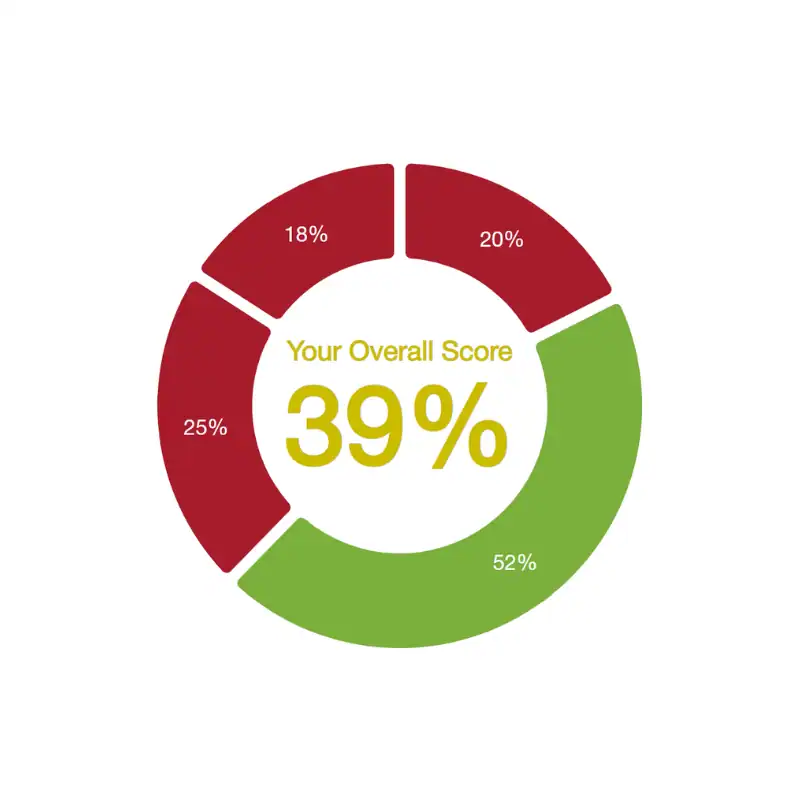
Most companies haven’t even fully leveraged basic analytics. As our Revenue Growth Analytics Maturity Report shows, only about 1 in 10 mid-market companies consistently use diagnostic and predictive analytics to drive pricing decisions. Before leaping to AI, you must address the foundational needs of data automation and governance. This means eliminating manual data processes, creating a purpose-built data warehouse (ideally one specific for Pricing and RGM), and creating dynamic dashboards that provide a single source of truth.
You don’t need a neural network or Generative AI to build a price waterfall or a scatter plot showing margin erosion by customer. You need clean, reliable data and the organizational will to look at it. From there, you can layer in targeted machine learning for specific, high-value problems: price elasticity models to understand demand, churn prediction to identify at-risk accounts, and propensity models for upsell/cross-sell opportunities. These are transformative but achievable steps that deliver immense value long before you need a full-blown “AI” solution.
See how your pricing compares
Our 2025 report looks at how more than 150 business leaders handle pricing and promotions. See what the best companies do differently, and where most fall short.
2. Define a Common-Sense Strategy (From Passive Optimization to Active Simulation)
The fundamental shift required is from automation to augmentation. The machine’s role isn’t to give you the answer but to simulate the P&L impact of potential answers you and your commercial teams want to model.
Instead of unquestioningly trusting a single output, you empower your leaders with strategic foresight. They can explore what-if scenarios risk-free, transforming them from reactive managers into pilots who can test the weather before flying into it. This approach is built on pragmatic guardrails: clear price floors, defined discount authority levels, and streamlined approval workflows. This framework doesn’t replace your internal experts; it empowers them to make smarter, faster, more profitable decisions within a structure that protects your margins.
3. Win the War of Execution (From a New Tool to a New Culture)
This is where the real work begins. An insight is worthless without adoption. An analytics capability is only as powerful as its integration into the daily workflow of your commercial teams. If the field sales team can’t or won’t use the insights, they might as well not exist.
This is the hard-earned lesson from decades of pricing transformations: the heavy lifting is in change management. It’s about ensuring organization-wide buy-in, educating and incentivizing the sales force to adopt new pricing behaviors, and continuously refining the process based on feedback.
Your “AI-powered insight” is useless if your sales rep can’t confidently use it to defend a price increase with a key account. Despite all the advanced analytics in the world, in B2B, we still depend on expert, seasoned sales teams to execute strategy, and building mutual trust with those humans is paramount.
Even McKinsey underscores that technology is a key enabler, not the sole agent, of pricing transformation, and it must be accompanied by the right processes and capabilities to matter. Chasing overly ambitious “shiny object” tech projects often “drain resources and yield little return,” whereas focusing on pragmatic, step-by-step improvements aligned with business fundamentals drives far more impact.
Build a Capability, Not a Crutch
Stop chasing the AI hype. Stop looking for a tool to outsource your thinking. Technology is there to serve your strategy, not substitute for it. The real challenge is to build a true, proactive pricing capability that makes your entire organization smarter.
The critical question for every leader isn’t “Which tool should we buy?” “Are we building a lasting capability or just chasing a trend?”
This is the central question that drives our Pricing & RGM advisory work at Revology Analytics and our RGM-as-a-Service offerings at Revify Analytics, and it should be front and center for any B2B executive weighing an investment in “AI pricing.“
Focus on what endures: your people, your processes, and an insights-driven decision-making culture, and let the tools (AI or otherwise) be instruments to amplify that foundation. Anything less makes for great board conversations with pretty decks, but gambling with your margins.
Frequently asked questions about AI pricing tools
Can an AI pricing tool fix B2B pricing on its own?
No. The idea that AI is a magic black box you plug in to automate pricing decisions is deeply flawed, and for B2B wholesalers, distributors, and manufacturers it can become an investment sinkhole and a strategic dead end. Technology alone does not move the needle; success comes from clean data, a common-sense strategy, and disciplined execution, with AI amplifying that foundation.
Why do AI-first pricing projects fail?
Two problems kill most pricing initiatives. Cross-functional chaos: sales is often incentivized on volume, finance is measured on profit, marketing on campaign or brand metrics, and operations on capacity, and no AI tool can resolve those misalignments. The profitability mirage: most companies manage invoice price while rebates, freight, payment terms, and allowances erode margin, so AI fed invoice-level data optimizes a false picture at speed and scale.
What is a price waterfall?
A price waterfall shows the cascade of deductions from list price to the actual pocket price, including rebates, freight costs, payment terms, and special allowances. You do not need a neural network or generative AI to build one, only clean, reliable data and the organizational will to look at it. The same goes for a scatter plot showing margin erosion by customer.
Where should a company start before using AI in pricing?
With the data foundation. Only about 1 in 10 mid-market companies consistently use diagnostic and predictive analytics for pricing decisions. Eliminate manual data processes, build a purpose-built data warehouse, ideally one specific to pricing and RGM, and create dynamic dashboards as a single source of truth. Then add targeted machine learning: price elasticity models, churn prediction, and upsell and cross-sell propensity models.
What role should AI play in pricing decisions?
Augmentation, not automation. Rather than handing you the answer, the machine should simulate the profit and loss impact of the options your commercial teams want to test, so leaders can explore what-if scenarios risk-free. That works within pragmatic guardrails: clear price floors, defined discount authority levels, and streamlined approval workflows, which empower internal experts to make smarter, faster, more profitable decisions instead of replacing them.
Why is execution the hardest part of pricing transformation?
An insight is worthless without adoption, and the heavy lifting is change management: organization-wide buy-in, educating and incentivizing the sales force to adopt new pricing behaviors, and refining the process from feedback. In B2B, seasoned sales teams still execute strategy, so an AI insight is useless if a rep cannot confidently use it to defend a price increase with a key account. Building mutual trust with them is paramount.
Related Reading
- Pricing Policy Strategies: A Practical Playbook for B2B Teams
- Pricing Sensitivity in 2026: How to Measure It, Model It, and Use It to Set Better Prices
For broader industry perspective on pricing analytics and revenue growth management, see McKinsey’s Growth, Marketing & Sales insights.
Want a second opinion on your pricing?
Tell us what’s going on with your pricing. One of our partners will get back to you the same day or the next.