Dynamic Pricing & RGM Analytics Platform

What it is

A Dynamic Pricing & Revenue Growth Management (RGM) Analytics Platform should be your team's command center for every pricing and revenue decision. When you build it the Revology way, you empower your teams to:

 Monitor critical revenue and profitability metrics in real time.

  • Analyze performance drivers (price, mix, volume, promotion effects) to understand root causes of trends.
  • Simulate changes to pricing or promotions (“what if we increase price 3%?” or “what if we double a discount?”) using the built-in elasticity and promo models.
  • Optimize trade spend and track margin contribution at every stage of the value chain, manufacturer, distributor, retailer, so you stop losing money to channel mark-ups.

The platform brings together your internal data, ERP transactions, CRM, sales, and finance metrics, with external feeds like syndicated market data (NIQ, Circana), competitor price feeds, and distributor sell-through. All of this sits on a governed data foundation and is delivered in the tools your teams already use: Power BI, Tableau, or a custom web app. The result? No more siloed spreadsheets or manual reports. You get a single source of truth and the analytics muscle your Pricing and RGM teams need to execute every week.

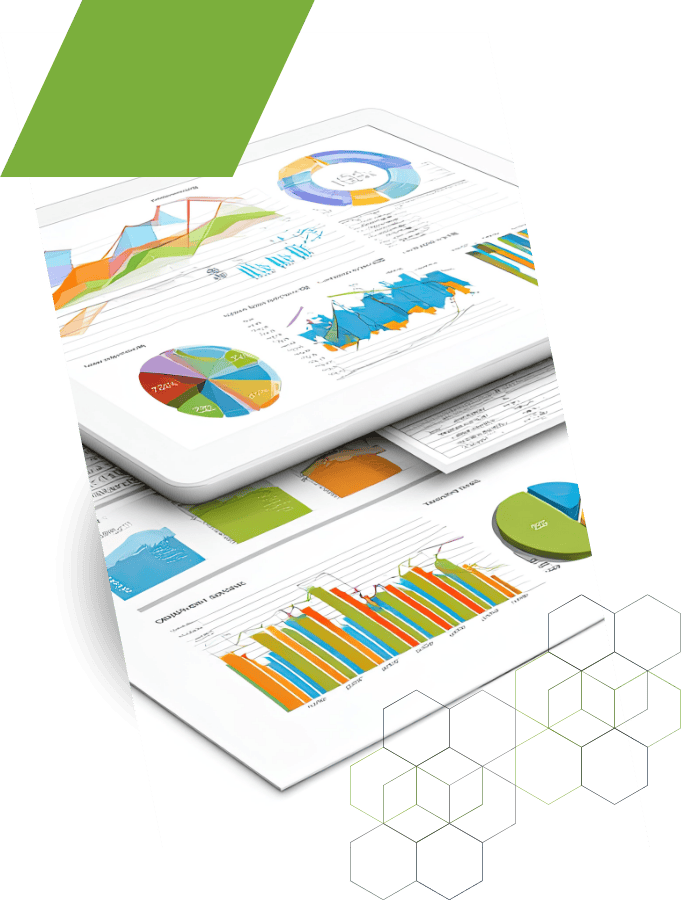
Analytics Platform for Dynamic Pricing & RGM.

How It Benefits Clients

One Source of Truth

Instead of juggling dozens of spreadsheets, your Sales, Finance, Marketing, and Pricing teams all work from one single source of truth for daily decisions. A unified RGM platform brings pricing, volume, mix, and margin analytics together, so everyone sees the same numbers and insights in real time.

Faster Insights, Faster Action

Automated data refreshes and real-time dashboards mean you can spot trends or issues quickly – for example, a surge in competitive discounting or an underperforming promotion – and respond immediately. You no longer have to wait weeks for a monthly report to make course corrections.

Improved Forecast Accuracy

Our built-in forecasting models use machine learning on your consolidated data to predict demand and profitability under different scenarios. That means you can see the impact of a price or promo change before you make it, and plan your inventory accordingly. No more guessing. No more surprises.

Collaboration & Accountability

When all your pricing and revenue analytics live in one place, cross-functional collaboration becomes a reality. Marketing and Finance finally see the same promotion ROI data. That kind of transparency clarifies ownership, who's responsible for pricing, who manages trade spend, and builds real accountability on shared data. Here's a practical example: One chemical manufacturing business unit swapped out static Excel reports for a unified RGM analytics dashboard. The result? Manual reporting dropped to near zero, and teams could focus on strategy and selling. With real-time drill-downs by customer and product, they spotted opportunities and risks faster, and acted in days, not weeks.

Our Approach

We build RGM analytics platforms for reproducibility, flexibility, and client ownership:

1
Discovery & Design

We run workshops with your commercial, finance, data, and IT stakeholders to define the exact dashboards, analytics, and agents needed (profit waterfalls, price realization and net price reports, promotion ROI trackers, deal desk views), inventory the data sources, and capture architectural preferences. The output is a concept design with the "look and feel" and the use cases for each module.

2
Data Integration & Harmonization

Our engineers work alongside your team to build or refine the ETL and ELT pipelines that bring together ERP, CRM, sales databases, syndicated market data, and retailer POS feeds, all inside your data warehouse. We clean and harmonize data from different systems, ensuring consistent product and customer hierarchies, robust quality checks, and the right access controls. The result? Every model and agent runs on governed, reliable data you can trust.

3
Custom Visualization & Modeling

Using Power BI, Tableau, or modern web frameworks, we develop the interactive dashboards your teams asked for and embed the elasticity and promo models so users run "what-if" scenarios for pricing and promotions on the fly. On top of that layer we deploy the AI agents: pricing recommendations, promo ROI scoring, and deal desk guardrails, each with an exception queue and an audit log so a person signs off before anything changes.

4
User Enablement & In-Sourcing

We don't just build and leave. Throughout the project, we roll up our sleeves and work side-by-side with your team, training as we go. By the time we're done, your staff is running data refreshes, building new reports, and fine-tuning agent thresholds without outside help. We help you reset your operating rhythm, weekly pricing calls, monthly promo reviews, quarterly governance, so analytics drive real decisions, not just dashboards. You own everything: the platform, the code, the IP. No more waiting on consultants for every tweak.

5
Scalability & Ongoing Improvement

We build the solution right in your environment, using flexible components that scale as your business grows. Need to launch a new product line, add a channel, or expand to a new region? You can do it with minimal rework. Want to plug in competitor pricing, advanced forecasting, or a new agent? No need to start from scratch. After handoff, your team runs the show. If you want ongoing support, we offer managed services at a modest monthly fee, but you're never locked in.

Case Study

Case study on dynamic pricing strategies for Fortune 500 retailers.

Building Dynamic Pricing for Fortune 500 Specialty Retailer – Case Study

In this case study, we delve into the strategic implementation of dynamic pricing by a Fortune 500 specialty retailer, aiming to enhance market share and profitability in their brick-and-mortar (B&M) channel. Despite the success of dynamic pricing in their e-commerce channel, the retailer faced unique challenges in translating this strategy to their physical stores, constituting 90% of their sales. The initiative encountered skepticism and logistical hurdles in frequently changing price tags. In partnership with Revology Analytics, the retailer overcame these challenges through a practical, simple-to-understand dynamic pricing solution, resulting in increased gross margins, fast and cost-effective implementation, and successful stakeholder engagement in their dynamic pricing journey.