Main Menu
Let's chat.

Have a Revenue Growth Analytics pain point, a question, or a content suggestion?

Dynamic Pricing & RGM Analytics Platform

What it is

A Dynamic Pricing & Revenue Growth Management (RGM) Analytics Platform is a unified, end-to-end environment where your teams can manage all key pricing and revenue decisions in one place. Such a platform typically allows you to:

 Monitor critical revenue and profitability metrics in real time.

  • Analyze performance drivers (price, mix, volume, promotion effects) to understand root causes of trends.
  • Simulate changes to pricing or promotions (e.g. “what if we increase price 3%?” or “what if we double a discount?”) using built-in machine learning models.
  • Optimize trade spend and track margin contribution at each stage of the value chain (manufacturer, distributor, retailer) to ensure money isn’t lost in channel mark-ups.

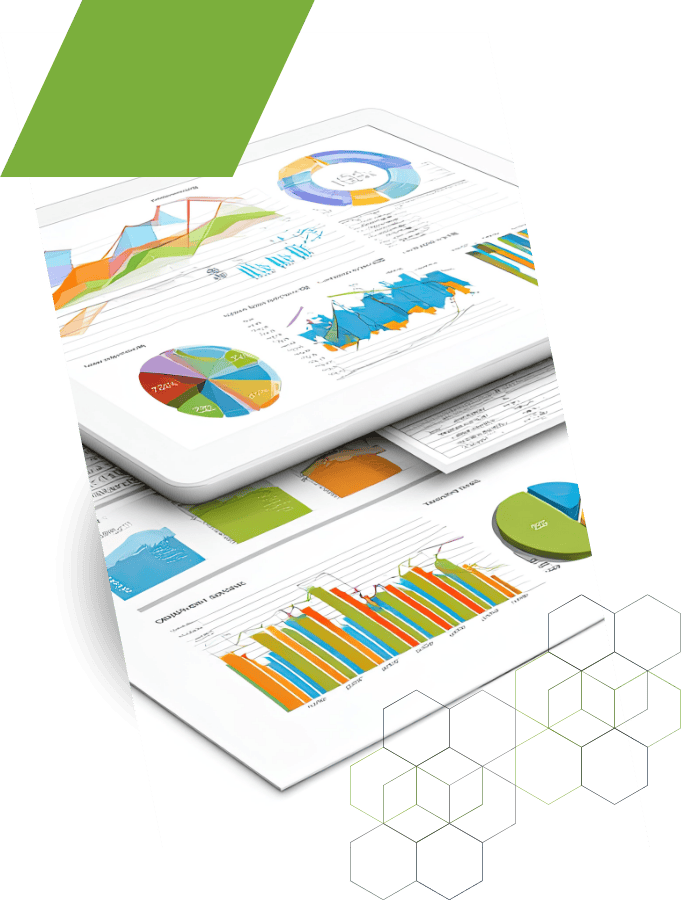
These platforms integrate internal data (ERP transactions, CRM data, sales and finance metrics) with external feeds (e.g. syndicated market data like Nielsen/IRI, competitor price scrapes, distributor sell-through data) and present the insights in interactive dashboards. Common delivery methods include Power BI or Tableau dashboards or a custom web application. In short, this capability replaces siloed spreadsheets and manual reports with a single source of truth and a suite of analytics tools for Pricing and RGM teams.

Analytics Platform for Dynamic Pricing & RGM.

How It Benefits Clients

Holistic Decision-Making

Instead of juggling dozens of spreadsheets, your Sales, Finance, Marketing, and Pricing teams all work from one single source of truth for daily decisions. A unified RGM platform brings pricing, volume, mix, and margin analytics together, so everyone sees the same numbers and insights in real time.

Faster Insights, Faster Action

Automated data refreshes and real-time dashboards mean you can spot trends or issues quickly – for example, a surge in competitive discounting or an underperforming promotion – and respond immediately. You no longer have to wait weeks for a monthly report to make course corrections.

Improved Forecast Accuracy

Built-in forecasting models leverage machine learning on your consolidated data to predict demand and profitability under various scenarios. This leads to more precise planning and inventory alignment because you can forecast the impact of price or promo changes before they happen.

Collaboration & Accountability

With all pricing and revenue analytics in one place, cross-functional collaboration improves – Marketing sees the same promotion ROI data that Finance does, for instance. This transparency clarifies ownership of initiatives (e.g. pricing vs. trade spend) and fosters a culture of accountability supported by shared data.

For instance, one chemical manufacturing business unit replaced over 50 static Excel reports with a unified RGM analytics dashboard, cutting manual reporting to near-zero and allowing teams to refocus on strategy and selling. With real-time drill-downs by customer and product, they could detect opportunities or risks faster and react in days instead of weeks.

Our Approach

We emphasize reproducibility, flexibility, and client ownership when building RGM analytics platforms:

1
Discovery & Design

We conduct workshops with your stakeholders to define the exact dashboards and analytics needed (e.g. profit waterfalls, price realization reports, promotion ROI trackers). We inventory required data sources and any architectural preferences. The output is a concept design capturing the desired “look and feel” and use cases for each module.

2
Data Integration & Harmonization

Our engineers build or refine ETL/ELT pipelines to bring together data from all sources – ERP, CRM, sales databases, syndicated market data, retailer POS feeds, etc. We ensure data from different systems is cleaned and harmonized (e.g. consistent product and customer hierarchies) for accurate analysis.

3
Custom Visualization & Modeling

Using tools like Power BI, Tableau, or modern web frameworks, we develop interactive dashboards tailored to your needs. We also embed ML-based simulation engines directly into the dashboards, so users can run “what-if” scenarios (for pricing, promotions, etc.) on the fly. The result is an analytics platform that is both insightful and easy to use.

4
User Enablement & In-Sourcing

Throughout development, we work closely with your team and provide hands-on training. By project’s end, your staff is equipped to manage data refreshes, create new reports, and tweak the system as needed. Our philosophy is that you should own the platform, rather than being dependent on consultants for every change.

5
Scalability & Ongoing Improvement

Because the solution is built within your infrastructure and with flexible components, it can scale to new product lines, channels, or geographies with minimal rework. We design with future enhancements in mind – for example, you can later plug in a competitor price scraping module or more advanced forecasting without overhauling the core platform.

Case Study

Case study on dynamic pricing strategies for Fortune 500 retailers.

Building Dynamic Pricing for Fortune 500 Specialty Retailer – Case Study

In this case study, we delve into the strategic implementation of dynamic pricing by a Fortune 500 specialty retailer, aiming to enhance market share and profitability in their brick-and-mortar (B&M) channel. Despite the success of dynamic pricing in their e-commerce channel, the retailer faced unique challenges in translating this strategy to their physical stores, constituting 90% of their sales. The initiative encountered skepticism and logistical hurdles in frequently changing price tags. In partnership with Revology Analytics, the retailer overcame these challenges through a practical, simple-to-understand dynamic pricing solution, resulting in increased gross margins, fast and cost-effective implementation, and successful stakeholder engagement in their dynamic pricing journey.