Main Menu

Let's chat.

Have a Revenue Growth Analytics pain point, a question, or a content suggestion?

Channel & Margin Optimization

Overview

Analyze the true profitability of every sales channel and distribution partner.

We optimize your cost-to-serve models and distribution mix to ensure you are prioritizing the most lucrative pathways to your end consumers.

Channel Pricing & Margin Optimization

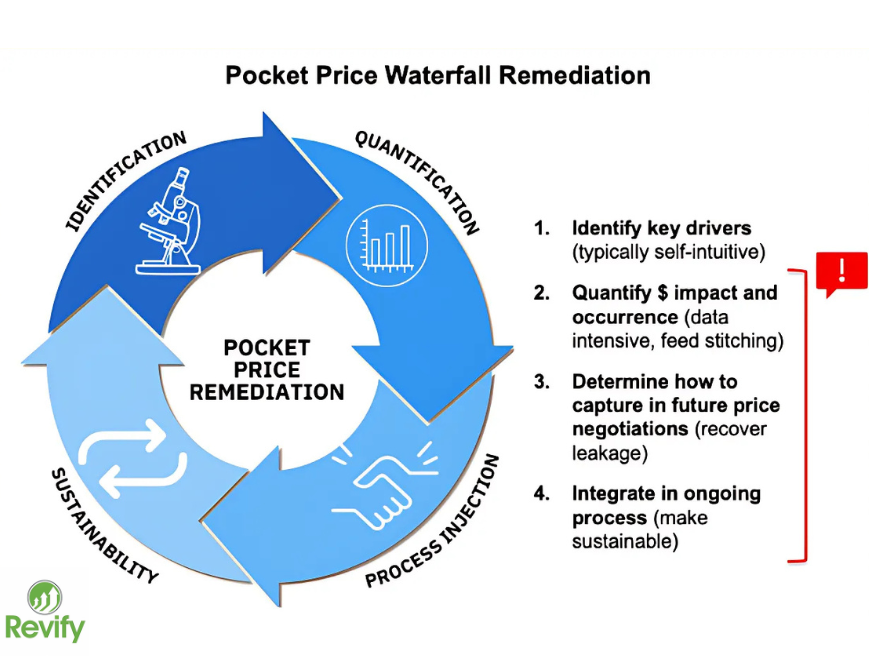
 Channel Pricing & Margin Optimization is a capability that ensures a company’s pricing strategy is properly tailored and executed across different routes-to-market – such as direct sales, distributors, retailers, e-commerce, etc. It involves analyzing the full price waterfall (from list price down to net price after discounts, rebates, promotions, and costs) within each channel to identify where margins are leaking and how to optimize them.

Read More

View upcoming events

Contact us

We’d love to hear from you. Get in touch, and we’ll introduce you to a team member who can help.

Browse Articles

Illustration of AI pricing tools with growth and financial icons.

Stop asking for an “AI Pricing Tool.”

For B2B firms in industries like wholesale, distribution, and manufacturing, the idea that AI in pricing is a magic black box can quickly become an investment sinkhole and a strategic dead end. Before thinking about AI, you must confront the two beasts that kill nearly every pricing initiative: Cross-Functional Chaos and The Profitability Mirage. Fancy algorithms do not drive pricing success—getting the basics right is.

Read More »

The Role of Pricing & RGM In Managing Customer Churn

B2B customer churn can silently cripple growth, but many companies overlook its impact and fail to predict it effectively. This blog reveals how embracing proactive, data-driven strategies, especially through Pricing & Revenue Growth Management (RGM), can transform your approach from reactive damage control to strategic, profitable retention. Discover how advanced analytics can help you identify churn risks, optimize pricing, and unlock hidden growth opportunities, safeguarding your P&L and empowering your sales teams.

Read More »

Why Your CPG Needs an Integrated Pricing & RGM Navigator (And Why It Beats Turnkey Solutions)

Mid-market CPGs are struggling to make profitable decisions due to data scattered across disparate internal and external systems. This fragmentation leads to significant margin erosion, reactive strategies, and a costly dependency on rigid, turnkey analytics solutions that fail to provide a complete picture. By embracing an integrated and owned Pricing & RGM Navigator, companies can unify their data, unlock predictive insights, and build true organizational capability. This empowers teams to move from reactive “fire drills” to a proactive, commanding position in the market.

Read More »

The Tariff Tightrope: Why Walmart’s Price Hikes Signal a Reality Check for American Consumers

Walmart’s recent announcement of price hikes due to tariffs serves as a stark reality check, confirming that American consumers will ultimately bear these costs. This isn’t just about Walmart; it signals a broader economic shift impacting shoppers and presenting significant challenges for CPG companies. This article delves into why these price increases are happening and outlines crucial strategies for CPGs to navigate this turbulent environment.

Read More »

The Sinking Feeling of Weak Pricing Power? BATNA is Your Anchor

That sinking feeling when sales asks for another discount or competitors drag you into a price war isn’t just anxiety; it’s often a sign of weak pricing power. This reactive negotiating, often driven by the lack of a quantified walk-away position, bleeds profits and erodes margins. Discover how defining your Best Alternative to a Negotiated Agreement (BATNA) can anchor your pricing, stop margin leakage, and empower you to secure better deals.

Read More »

An RGM Deep-Dive Into Spotify’s Latest Price Rise

Spotify recently implemented its second major round of price hikes in under two years, significantly increasing rates in Benelux countries and signaling further rises across Europe and Latin America.

This aggressive pricing strategy follows Spotify’s first full-year operating profit in 2024, indicating a strategic shift from subscriber growth to boosting ARPU and profitability. The company is employing a “ladder pricing” approach, testing price elasticity in smaller markets before wider rollouts to manage churn and investor expectations. However, this creates widening price gaps with competitors, forcing Spotify to increasingly rely on its unique value proposition and bundled offerings like the planned “Music Pro” add-on.

Read More »