Have a Revenue Growth Analytics pain point, a question, or a content suggestion?
Discover how Revology Analytics propels mid-market businesses to sustainable, profitable growth by building advanced, in-house Revenue Growth Analytics & Management (RGM) capabilities—fast.
Our senior expert-led, hands-on approach ensures you own the tools, insights, strategy and processes needed to thrive long-term.
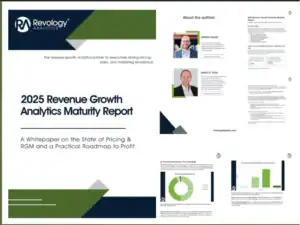
Gain exclusive access to the latest insights from over 150 commercial leaders on the state of Revenue Growth Analytics in 2025, based on our expanded Revenue Growth Analytics Maturity Scorecard™.
Access our comprehensive advisory services, where Pricing and Revenue Growth Management transformations are at the core.
We also specialize in Sales & Marketing AI Enablement and Commercial Analytics transformations. In 90–120 days, our senior practitioners embed advanced solutions, equipping organizations with enduring, in-house growth engines that drive measurable results.
Discover how Revology Analytics propels mid-market businesses to sustainable, profitable growth by building advanced, in-house Revenue Growth Analytics & Management (RGM) capabilities—fast.
Our senior expert-led, hands-on approach ensures you own the tools, insights, strategy and processes needed to thrive long-term.
Explore Revology Analytics’ curated thought leadership on various Revenue Growth Analytics and Management topics.
Our case studies, white papers, webinars, and toolkits illuminate best practices and emerging trends. Gain actionable insights to refine your holistic Revenue Growth Management strategies and capabilities, fueling sustainable, profit-focused decisions across your organization.
Discover how Revology Analytics propels mid-market businesses to sustainable, profitable growth by building advanced, in-house Revenue Growth Analytics & Management (RGM) capabilities—fast.
Our senior expert-led, hands-on approach ensures you own the tools, insights, strategy and processes needed to thrive long-term.
Gain exclusive access to the latest insights from over 150 commercial leaders on the state of Revenue Growth Analytics in 2025, based on our expanded Revenue Growth Analytics Maturity Scorecard™.
Access our comprehensive advisory services, where Pricing and Revenue Growth Management transformations are at the core.
We also specialize in Sales & Marketing AI Enablement and Commercial Analytics transformations. In 90–120 days, our senior practitioners embed advanced solutions, equipping organizations with enduring, in-house growth engines that drive measurable results.
Discover how Revology Analytics propels mid-market businesses to sustainable, profitable growth by building advanced, in-house Revenue Growth Analytics & Management (RGM) capabilities—fast.
Our senior expert-led, hands-on approach ensures you own the tools, insights, strategy and processes needed to thrive long-term.
Explore Revology Analytics’ curated thought leadership on various Revenue Growth Analytics and Management topics.
Our case studies, white papers, webinars, and toolkits illuminate best practices and emerging trends. Gain actionable insights to refine your holistic Revenue Growth Management strategies and capabilities, fueling sustainable, profit-focused decisions across your organization.
Channel Pricing & Margin Optimization is a capability that ensures a company’s pricing strategy is properly tailored and executed across different routes-to-market – such as direct sales, distributors, retailers, e-commerce, etc.
It involves analyzing the full price waterfall (from list price down to net price after discounts, rebates, promotions, and costs) within each channel to identify where margins are leaking and how to optimize them.
This capability also focuses on designing a coherent pricing architecture across channels – for example, setting appropriate distributor discounts, retail markups, or e-commerce pricing strategies – so that each channel gets the right price to be competitive and profitable without causing channel conflict.
In practice, channel pricing optimization might mean establishing rules like “distributors get 20% off list price, but must adhere to MAP (minimum advertised price)” or “online channel will have dynamic pricing within a band so as not to undercut stores.” The goal is to maximize overall profitability and sales by channel, while maintaining consistency and fairness across the ecosystem.
Through channel pricing analytics, companies gain clear visibility into net margins by channel, product, and customer. They can see exactly how various programs (rebates, volume discounts, promotional allowances, etc.) impact profitability. This often uncovers specific pain points – e.g. a certain channel or customer type might be far less profitable due to stacked discounts. Having this insight is the first step to plugging profit leaks.
Channel optimization pinpoints “margin leakage” – such as inconsistent discounting practices, unmanaged special pricing deals, or promotions that don’t translate to end-customer value. By correcting these (standardizing discounts, enforcing policies, eliminating low-ROI rebates), clients can immediately improve margins by several percentage points without losing volume. One Revology project for a B2B firm, for instance, improved net price realization by ~5% simply by identifying and fixing hidden price leaks in the channel structure.
A well-structured channel pricing strategy prevents different channels from undercutting each other. This maintains a healthy sales ecosystem. For example, if your online store sells significantly cheaper than your independent dealers, dealers will revolt or stop pushing your product. Our approach ensures price harmonization – each channel has its role and price level, keeping partners motivated and customers getting consistent pricing signals. This leads to stronger channel relationships and more unified brand positioning.
Different channels often serve different customer segments (e.g., enterprise clients via direct sales vs. smaller customers via distributors). Channel pricing optimization allows you to fine-tune pricing by segment indirectly – for instance, giving distributors tools to offer competitive pricing for price-sensitive small accounts, while direct sales might focus on value-selling to big accounts. The benefit is maximizing revenue across both high-end and price-sensitive segments in parallel, using channels strategically.
We tackle Channel Pricing & Margin Optimization through data-driven analysis and collaborative strategy development:
We start with a deep dive into data: sales and margins by channel, discount/rebate usage, and any channel-specific price lists or programs. We construct price waterfalls for each channel – e.g., for the distribution channel, starting from your list price, subtracting distributor discount, then any year-end rebate, etc., to arrive at your pocket margin. This analysis often requires consolidating data from different sources (ERP for billing, CRM for deals, perhaps distributor claim data for rebates). We identify where there’s high variance. For example, we might find one distributor getting an extra rebate that others don’t, or that your direct sales often overrides list prices in certain regions. These findings highlight inconsistencies and opportunities.

In parallel, we gather market intelligence to understand external factors. This could involve research on how competitors manage channel pricing (do they sell direct? offer exclusives to certain channels?), and understanding channel-specific customer needs and price sensitivities. We also segment the business by channel: what customer profile buys through each? What products move through each? For example, larger enterprises might prefer direct contracts, whereas SMB customers buy via resellers. By mapping these out, we ensure that any pricing changes account for the differing value propositions across channels.
Using the insights, we design a coherent channel pricing architecture. This may include setting or adjusting list prices and standard channel discounts (e.g., setting uniform distributor discounts based on volume tiers). We define the role of each channel – for instance, “Channel A will be our volume mover with lower margins but higher throughput, Channel B (direct) will focus on high-margin bespoke solutions.” We establish pricing guardrails: for example, creating anchor reference prices and floors for each channel so that no channel goes rogue on pricing. If MAP (minimum advertised price) policies are needed for retail to prevent price wars, we incorporate that. We also consider channel incentives – sometimes margin optimization means giving a bit more margin to a channel that can drive volume with slightly lower end-customer prices (funded by efficiency gains elsewhere). The strategy strikes a balance so that overall company profitability is maximized, even if margin percent differs by channel in a planned way.
With the strategy agreed, we help implement it through clear policies and possibly systems enhancements. This could mean updating pricing manuals for sales and channel partners – spelling out new discount guidelines, rebate structures, etc. We might deploy a CPQ (Configure-Price-Quote) tool or pricing software rules that automatically enforce channel-based price floors or deal approval workflows (for instance, any deal below X% margin triggers a review). We also engage with channel partners (or your channel managers) to communicate the changes. This is done carefully, framing it as a benefit (e.g., “We’re standardizing pricing to ensure fairness and long-term viability for all partners”). Internally, we ensure sales teams understand the new rules – e.g. a direct salesperson now knows not to undercut the distributor price for small accounts – and the escalation path if they need exceptions.
After rollout, we monitor the outcomes by channel. We set up dashboards that track key metrics: channel-wise revenue and margin, frequency of exception discounts, inventory sell-through rates if relevant (especially in retail), etc. This allows us to see if the new structure is working as intended. For example, if we tightened discounts and suddenly a channel’s volume drops, we investigate if it’s a market issue or if we went too far. More often, we find positive trends – margin improving with stable volume. We remain ready to adjust the strategy: channel pricing isn’t set-and-forget. For instance, if a major competitor drops pricing in a specific channel, we might need a targeted response just in that channel. Our approach builds the analytical capability in your team to handle these adjustments. We also encourage periodic channel pricing reviews, maybe semi-annually, to recalibrate discounts or rebates based on performance and ensure no new leakages have crept in.
We’d love to hear from you. Get in touch, and we’ll introduce you to a team member who can help.
Centered on proven best practices, Revology Analytics® provides Revenue Growth Analytics advisory services and thought leadership, driving profitable revenue growth for middle-market companies.
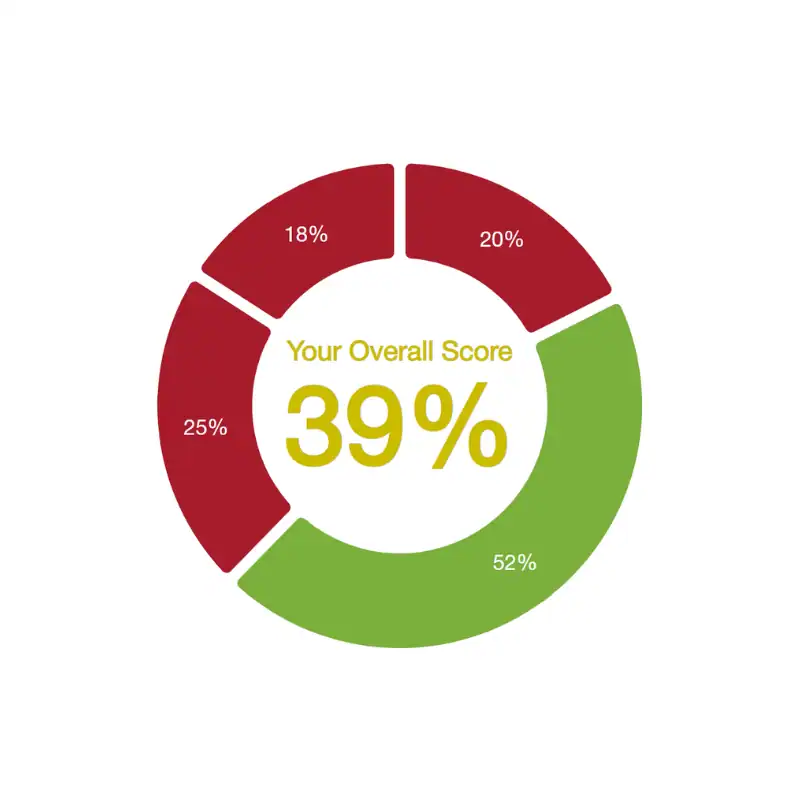
Over 225 companies took our scorecard to improve their Revenue Growth Analytics & Management capabilities.
Copyright@2026 Revology Analytics LLC