Main Menu

Let's chat.

Have a Revenue Growth Analytics pain point, a question, or a content suggestion?

Psychological Pricing & Behavioral Strategies

What it is

Psychological Pricing & Behavioral Strategies focus on the art and science of how price presentation and structure influence customer behavior. This capability leverages insights from consumer psychology and behavioral economics – for example, using charm prices (ending in 9), anchoring with a high-priced option to make other options seem more attractive, or bundling products to encourage higher spend[6]. It also includes tactics like offering a “good-better-best” tier structure, subscription trials, or loyalty incentives to frame the value in a compelling way. In essence, psychological pricing goes beyond the raw number; it’s about perception – making prices feel fair, justified, and attractive to the customer.

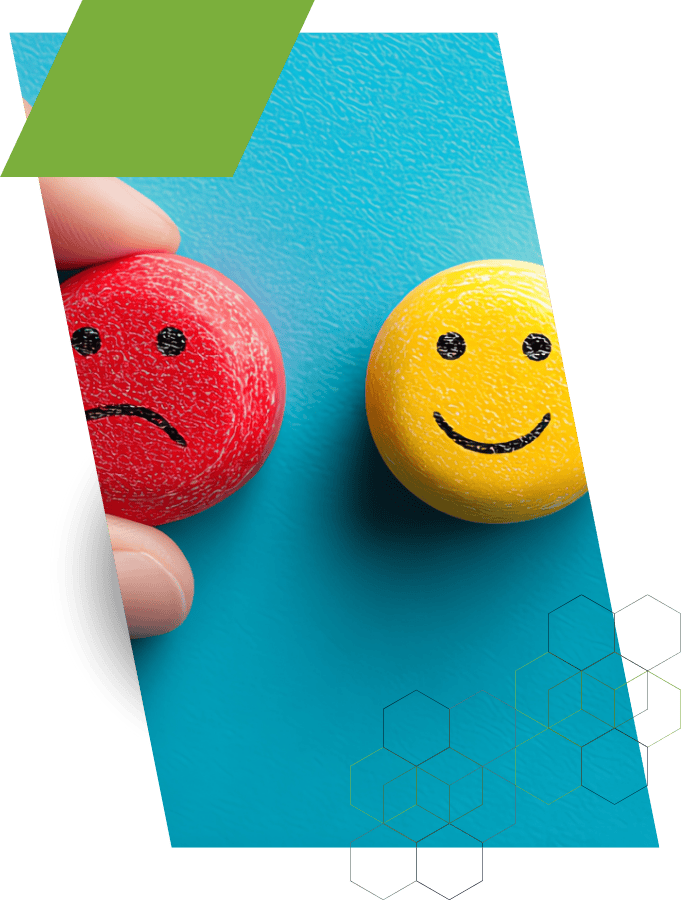
Red sad face and yellow happy face representing pricing emotions and consumer behavior.

How It Benefits Clients

Higher Conversion Rates

By presenting prices in psychologically appealing ways, companies can lower the mental barriers to purchase. Techniques like tiered pricing or bundling appeal to different customer segments, often encouraging them to spend more by highlighting value at slightly higher price points. The result is more customers saying “yes” to the purchase.

Increased Perceived Value

Smart pricing design (e.g. setting a high anchor price with a discounted option) can enhance the perceived value of your products. Customers feel they are getting a deal or added value, which can boost satisfaction and loyalty.

Optimized Product Mix Sales

Behavioral pricing strategies like product bundles or volume discounts can guide customers toward buying a more profitable mix of products. For instance, a bundle priced slightly below the sum of individual items’ prices feels like a bargain and increases overall basket size.

Margin Improvement without Cost Changes

Importantly, these tactics can lift revenue and margin without altering the product. Simply reframing the price or offer (such as $499 instead of $500, or “Buy 2, get 1 free”) can yield more sales or higher realized prices, essentially unlocking profit that traditional pricing might leave on the table.

Our Approach

We implement psychological pricing enhancements in a methodical way to ensure they genuinely drive results and fit your brand

1
Behavioral Audit

We begin by auditing your current pricing and sales approach through a behavioral lens. This involves reviewing how prices are displayed online or in-store, how discounts and promotions are framed, and where in the buying process price objections arise. We identify quick-win opportunities (e.g. simplifying a complex pricing page, introducing charm pricing, or adding an anchor higher-priced offering as contrast).

2
Design of Pricing Tactics

Next, we design specific psychological pricing tactics tailored to your business. For example, we might create a “good-better-best” pricing structure if you don’t have tiers – using a high-end premium option to make the mid-tier (your core product) appear more attractive in comparison[6]. We also consider bundle offers, limited-time discounts, or loyalty pricing schemes that can create a sense of urgency or exclusivity. Each tactic is grounded in known behaviors (e.g. anchoring, loss aversion, reciprocity) to influence decision-making.

3
Testing and Experimentation

Psychological responses can vary, so we employ A/B testing and pilots. For an e-commerce client, for instance, we might test two different price-ending strategies (“.99” vs “.00”) across similar customer groups to measure conversion impact. We track metrics like click-through, conversion rate, and average order value for each test scenario. These experiments ensure we adopt changes that have proven impact on customer behavior in your context.

4
Implementation & Training

After identifying winning strategies, we roll them out across channels – updating pricing pages, in-store signage, sales scripts, etc. We train your marketing and sales teams on the rationale behind these pricing tactics so that messaging remains consistent. (For example, sales should know how to use the existence of a premium tier to upsell customers on the mid-tier.) We also set guidelines to maintain ethical use of psychological pricing – ensuring transparency to keep customer trust.

5
Monitor Customer Feedback

Post-launch, we closely monitor customer feedback and sales trends. If we see any signs of customer confusion or pushback (e.g. too many options causing choice paralysis), we adjust accordingly. Psychological pricing is an ongoing effort – we continually refine the tactics (such as refreshing bundle offers or rotating promotional messages) to keep the perceived value high and leverage the most effective behavioral triggers.

Recent Insights